Field notes.
Guides, comparisons, and playbooks on getting the most out of proxies, written by the people who run them.

How to use Nyxon proxies in curl, Python and Node.js (copy-paste examples)
Working code for the four clients people actually use: curl, Python requests and httpx, Node fetch and axios, with rotation, sticky sessions, SOCKS5 and the two mistakes that break each one.
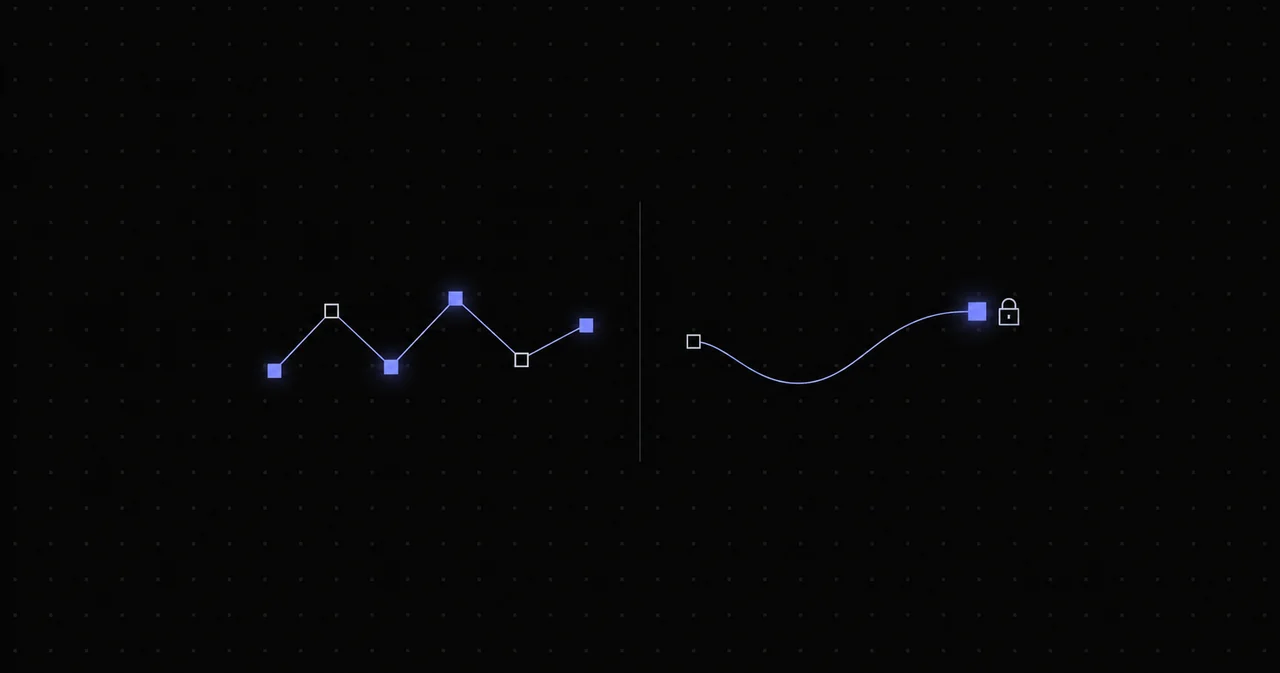
Sticky vs rotating proxies: how sessions work and how to set them at Nyxon
Rotating gives you a new IP per request; sticky keeps one for as long as you need it. Both come from the same credentials at Nyxon. Here is when to use each, the exact username syntax, and the traps.
No-KYC proxies: what it means, what it doesn't, and why Nyxon works this way
No identity documents, no card, crypto only. People read that two ways: freedom or red flag. Here is what no-KYC actually changes for you, what it does not change, and the rules that still apply.

Nyxon vs Bright Data, Oxylabs and Decodo: proxy pricing compared (2026)
Same residential, mobile and datacenter pools, very different bills. A line-by-line comparison of pay-as-you-go prices, minimums and credit rules, plus an honest list of what the enterprise providers offer that we do not.

10 proxy mistakes that get accounts banned (and the fix for each)
Clean IPs get blocked every day because of what happens around them. The ten mistakes we see most in support chats, from default user agents to rotating under a login, each with the one-line fix.

OS spoofing for proxies: what your TCP/IP fingerprint gives away and how to set it
Your browser says Windows. Your proxy's TCP stack says Linux. Detection systems notice. Here is what passive OS fingerprinting reads, why proxy traffic has always looked like Linux, and how to fix it on ISP, datacenter and IPv6 pools.
How to test a proxy in 60 seconds (curl, Python, and the built-in tester)
Before you point a scraper at a proxy, prove it works: is the exit where you asked, how fast is it, does the session stick, does the target accept it. Four checks, copy-paste commands, no tooling to install.
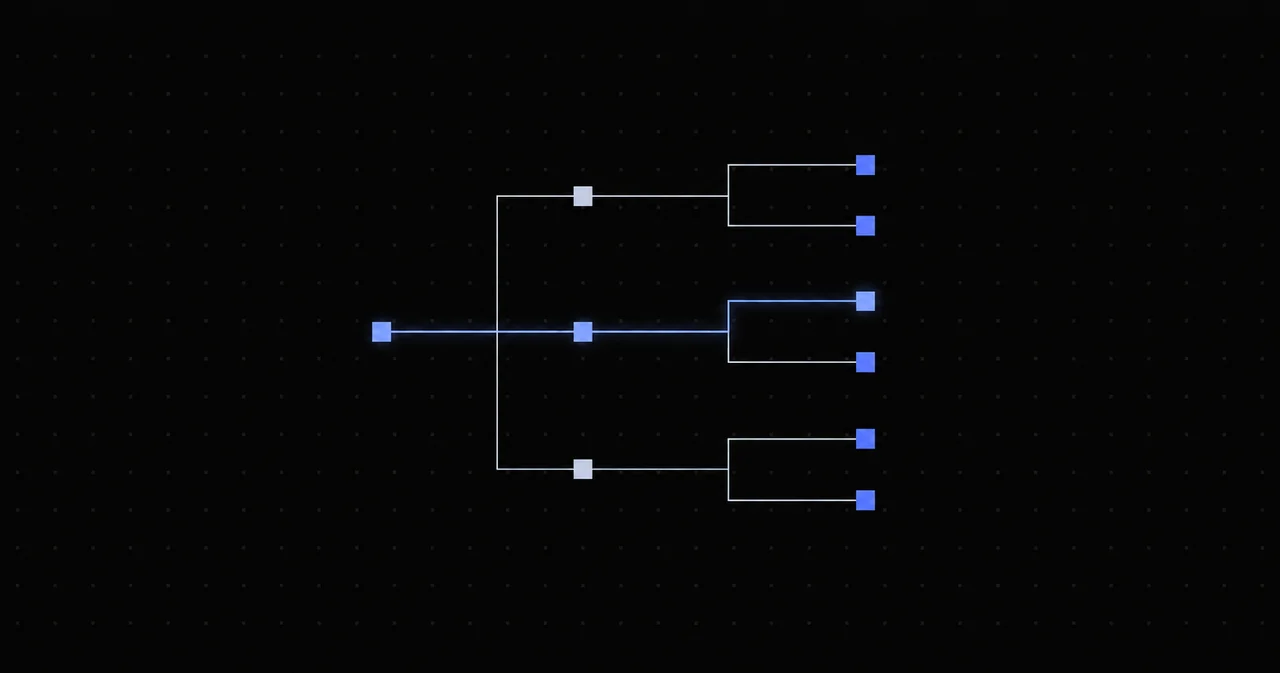
Which proxy do you actually need? A decision guide by use case
Stop choosing proxies by price or by what a forum said. Match the pool to the target: here is the pick for scraping, price monitoring, sneakers, social accounts, ad verification, SEO and app testing, with the reasoning.
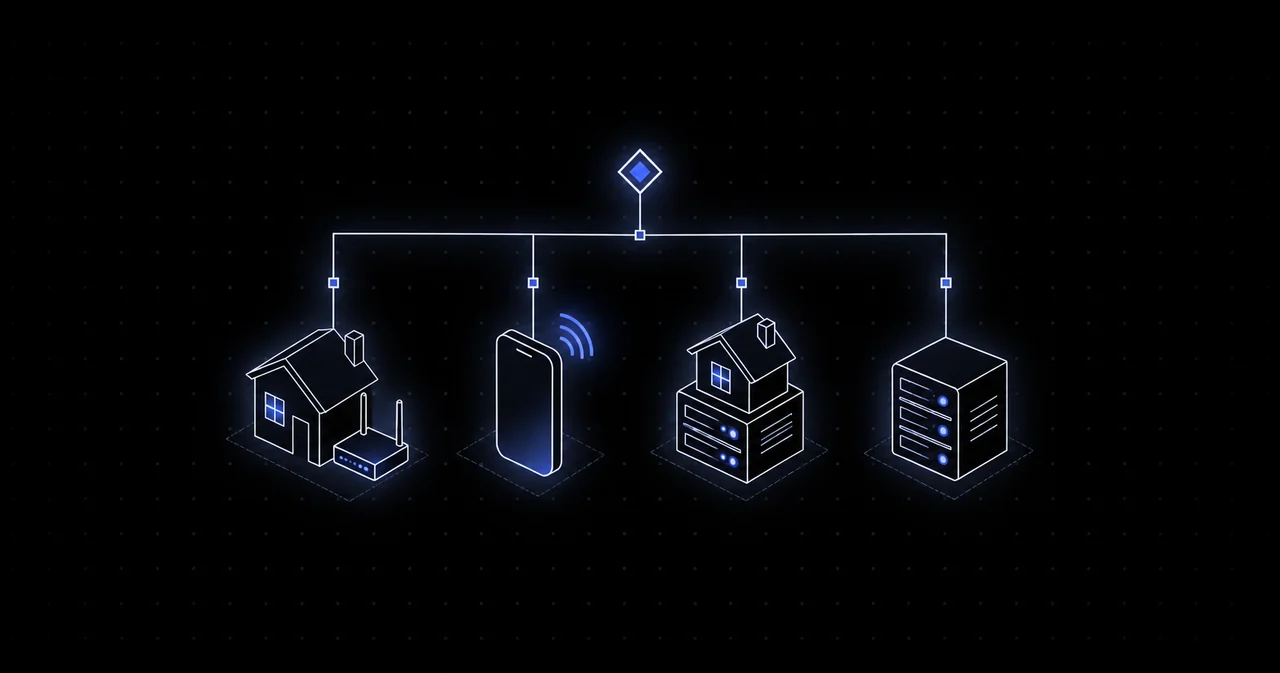
Residential, mobile, ISP, datacenter: the four proxy types explained (with 2026 prices)
The four proxy types differ in where the IP comes from, how sites treat it, how long it stays yours and what it costs. Here is the honest comparison, with the trade-offs nobody puts on a pricing page.

What is a proxy? How proxies work, in plain English
A proxy is a server that makes requests on your behalf. Here is what that actually means, why websites care which IP you arrive from, and where the IPs come from.